
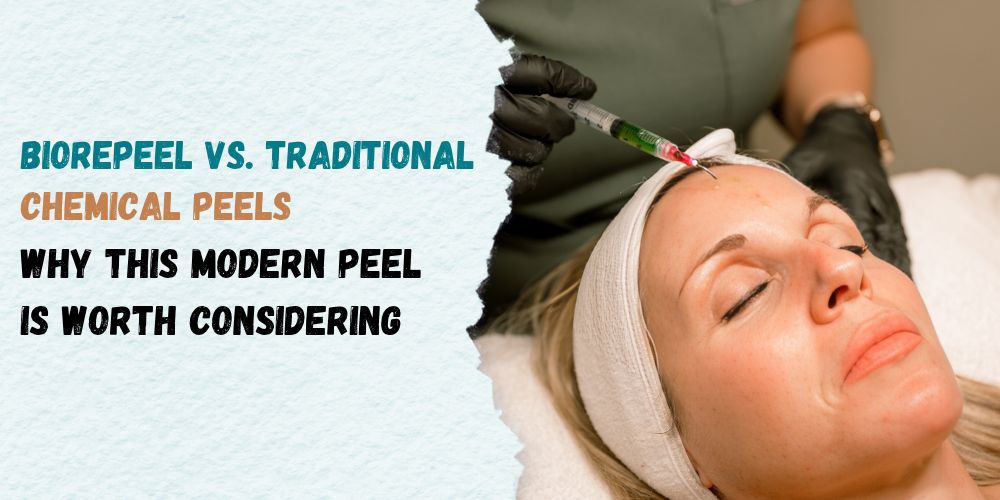
If you want smoother, brighter-looking skin, a chemical peel may be one of the treatments you have considered. Chemical peels have been used for years to improve uneven skin tone, rough texture, acne concerns, and early signs of aging. However, depending on the type of peel, the recovery process can involve redness, dryness, and visible peeling.
That is one reason treatments like BioRePeel have gained attention. It offers a different approach to professional skin exfoliation, combining exfoliating acids with other skin-supporting ingredients in a biphasic formula.
So, how does BioRePeel compare with a traditional chemical peel? And is it the right choice if you want noticeable skin improvement without planning around an extended recovery period?
Let’s look at how both treatments work, what makes them different, and when each may be worth considering.
Quick Answer: BioRePeel vs. Traditional Chemical Peels
BioRePeel and traditional chemical peels both help improve the appearance of the skin through exfoliation, but they differ in formulation, treatment approach, and expected recovery.
- Downtime: BioRePeel is designed to involve minimal visible recovery for many patients. Traditional chemical peels can range from mild exfoliation to more intensive resurfacing with several days or longer of recovery.
- Visible peeling: BioRePeel typically causes little visible peeling, although dryness or light flaking may occur. Medium and deep traditional peels are more likely to cause noticeable shedding.
- Treatment goals: BioRePeel may be considered for dullness, uneven texture, mild discoloration, and early signs of aging. More intensive traditional peels may be appropriate for selected deeper skin concerns.
- Treatment plan: BioRePeel is commonly performed as a series of treatments. The frequency of traditional peels depends on their strength and depth.
- Best choice: The right treatment depends on your skin condition, goals, tolerance for downtime, and provider’s assessment.
If you want a professional exfoliating treatment with minimal disruption to your routine, BioRePeel may be worth considering. However, a traditional chemical peel may be more appropriate when a deeper level of resurfacing is needed.
What Is a Traditional Chemical Peel?
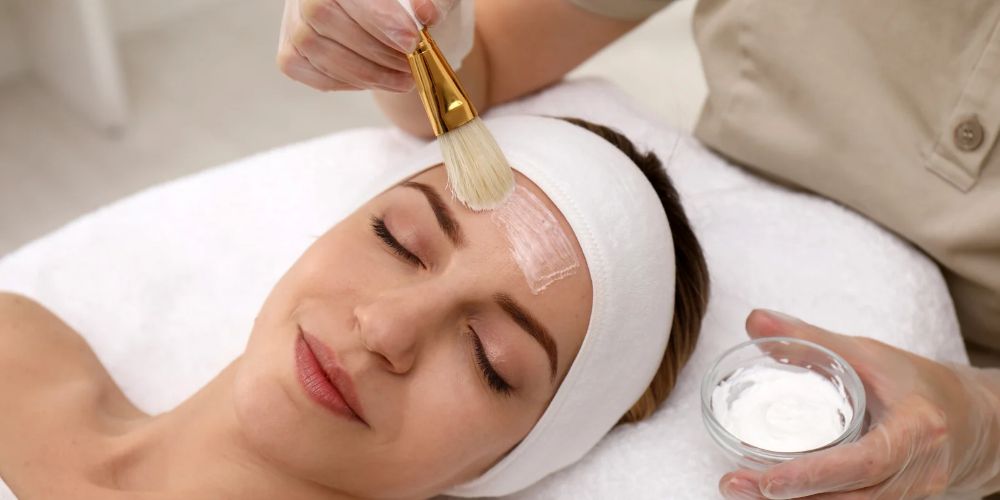
A traditional chemical peel, like the Perfect Derma Peel, is a professional skin treatment that uses exfoliating acids to remove or loosen damaged outer skin cells. As the skin renews itself, the complexion may look smoother, brighter, and more even.
Common ingredients used in chemical peels include:
- Glycolic acid: An alpha-hydroxy acid (AHA) that helps exfoliate the skin’s surface and improve the appearance of uneven texture and dullness.
- Salicylic acid: A beta-hydroxy acid (BHA) that helps exfoliate inside oil-prone pores and is often used for acne-prone skin.
- Lactic acid: An AHA that provides exfoliation and is often included in formulations designed to address dullness and uneven texture.
- Trichloroacetic acid (TCA): An ingredient used in professional peels at different strengths and depths to address selected skin concerns.
Chemical peels are generally categorized by how deeply they exfoliate.
1. Light or Superficial Peels
Light peels work primarily on the outermost layer of the skin. They are commonly used to improve mild discoloration, dullness, rough texture, and some acne-related concerns.
Recovery is generally shorter than with deeper peels, although temporary redness, dryness, or flaking may occur.
2. Medium Peels
Medium-depth peels reach further into the skin and may be used for more noticeable sun damage, uneven pigmentation, and selected fine lines.
Because they produce a stronger exfoliating effect, redness, peeling, and recovery time are typically more noticeable.
3. Deep Peels
Deep peels create more intensive resurfacing and are reserved for carefully selected patients and concerns. They can involve a more significant recovery period and require close professional supervision.
The main difference between these categories is the depth and intensity of treatment. A stronger peel is not automatically a better choice. The appropriate option depends on the condition of your skin and the results you want to achieve.
What Is BioRePeel?
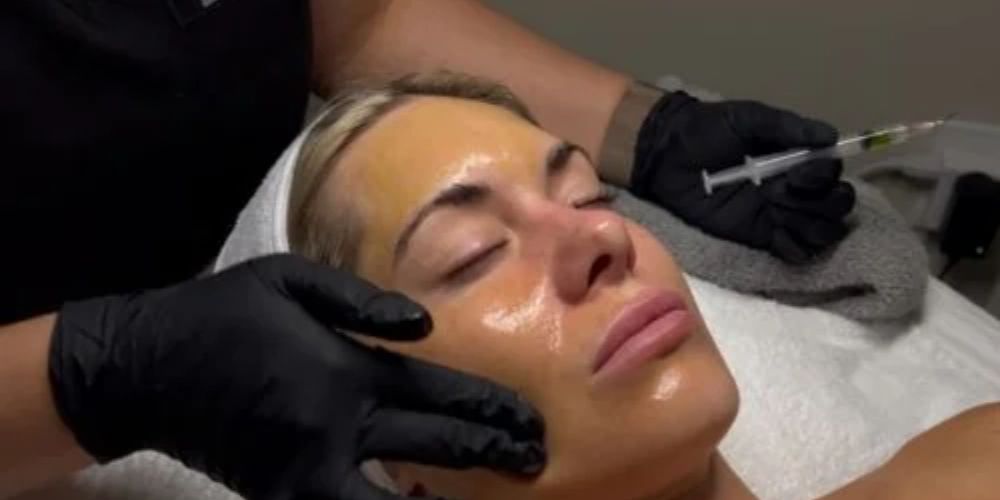
BioRePeel is a professional chemical peel developed using Biphasic Technology. Rather than relying only on an exfoliating acid, its formula combines exfoliating ingredients with amino acids, vitamins, and other skin-supporting components.
The BioRePeelCl3 FND formulation for the face, neck, back and décolleté contains ingredients such as trichloroacetic acid (TCA), salicylic acid, lactobionic acid, tartaric acid, citric acid, amino acids, and vitamins C and B2.
Its biphasic formula contains two distinct phases:
- Hydrophilic phase: Contains the exfoliating acids, amino acids, and vitamins that contribute to the treatment’s peeling and skin-revitalizing actions.
- Lipophilic phase: Contains ingredients such as squalane and isopropyl myristate, which help support the skin’s surface moisture barrier.
This combination is what makes BioRePeel different from many conventional peel formulations.
BioRePeel is often described as a low-peel or no-peel treatment because many patients experience minimal visible shedding. However, that does not mean the treatment is completely free of side effects. Mild tingling, temporary redness, dryness, or light flaking may occur.
If you are wondering what to expect during a chemical peel, read our guide to whether chemical peels hurt and what to expect during treatment.
BioRePeel vs. Traditional Chemical Peels: What’s the Difference?
Both treatments are designed to improve skin appearance, but they are not interchangeable. Understanding their differences can help you have a more informed conversation with your provider.
| Feature | BioRePeel | Traditional Chemical Peels |
| Treatment approach | Biphasic formula combining exfoliating and skin-supporting ingredients | Uses exfoliating acids to remove or loosen outer skin cells |
| Downtime | Generally minimal visible downtime | Varies from minimal recovery to more extended peeling and healing |
| Visible peeling | Usually little to no visible peeling; mild flaking is possible | More noticeable peeling may occur, especially with medium and deep peels |
| Treatment goals | Dullness, uneven texture, mild discoloration, and early signs of aging | Varies by peel depth and formulation; may address selected deeper concerns |
| Treatment plan | Often performed as a series | Depends on peel type, strength, and skin goals |
| Session length | Typically a relatively short appointment | Varies by treatment and provider |
| Recovery considerations | Often easier to fit into a busy schedule | May require more planning, depending on peel depth |
The biggest difference is not simply how much the skin peels afterward. It is the overall treatment approach and the level of resurfacing being targeted.
Why BioRePeel Is Worth Considering
BioRePeel may be a good option for people who want to improve their skin’s appearance but prefer a treatment that generally involves less visible peeling than more intensive chemical peels.
Here are a few reasons it may be worth discussing with your provider.
1. Minimal Visible Downtime
One of the main reasons patients consider BioRePeel is its low-downtime approach.
Traditional medium and deep peels can involve visible peeling, redness, and a recovery period that needs to be considered when planning work, social activities, or special events. BioRePeel is designed to provide professional exfoliation with minimal visible post-treatment signs for many patients.
You may be able to return to your usual activities sooner than you would after a more intensive peel. However, your skin may still experience temporary sensitivity or dryness, so following your provider’s aftercare instructions is important.
2. A Different Approach to Skin Exfoliation
BioRePeel combines exfoliating acids with amino acids, vitamins, and other ingredients in a biphasic formulation. This makes it safe for all skin types.
This makes it different from a peel that focuses primarily on exfoliating the outer layers of the skin. The formula is designed to provide peeling and skin-revitalizing actions while supporting the skin’s surface moisture balance.
The goal is to improve the appearance of the skin without necessarily producing the visible shedding associated with stronger peels.
3. Helps Improve Dullness and Uneven Texture
A buildup of dead skin cells can leave the complexion looking dull and feeling rough. Professional exfoliation helps remove this buildup and encourages a fresher-looking surface.
BioRePeel may be considered for concerns such as:
- Dull or tired-looking skin
- Uneven skin texture
- Mild discoloration
- Rough or bumpy areas
- The appearance of early fine lines
- Post-acne marks
The degree of improvement depends on the concern being treated, your skin’s response, and the treatment plan recommended by your provider.
4. Can Be Considered for Different Skin Concerns
BioRePeel is not limited to one specific concern. Depending on the formulation and treatment area, it may be used to address the appearance of uneven texture, enlarged pores, acne or acne scarring, dullness, mild pigmentation, and other signs of skin aging.
The face, neck, and décolleté as well as the back are common treatment areas. Your provider can determine whether the treatment is appropriate for the area you want to address.
5. Can Fit Into a Personalized Skin Treatment Plan
Skin concerns rarely exist in isolation. Someone dealing with dullness may also have uneven texture, while another person may be more concerned about post-acne marks or early signs of aging.
BioRePeel may be incorporated into a broader skin-care plan when appropriate. Other treatments may also be considered, but the timing and combination should be determined by your provider to avoid unnecessary irritation or overlapping recovery.
When Might a Traditional Chemical Peel Be the Better Choice?
Although BioRePeel offers several advantages, it is not automatically the best option for everyone.
A traditional chemical peel may be more appropriate when a patient needs a different level of exfoliation or resurfacing.
For example, your provider may discuss other peel options if you have:
- More pronounced sun damage
- Deeper acne scarring or significant textural concerns
- More persistent pigmentation that requires a carefully selected treatment plan
- Deeper lines or wrinkles
- A goal of more intensive resurfacing and are comfortable with the associated recovery
Certain concerns, including melasma and persistent pigmentation, need particularly careful assessment. More aggressive exfoliation is not always the answer and may not be appropriate for every skin type.
The best approach is to select a treatment based on your skin’s condition rather than choosing the strongest peel available.
What to Expect During a BioRePeel Treatment?
A BioRePeel appointment begins with an assessment of your skin and treatment goals. Your provider will review your concerns, relevant skin history, and whether the treatment is appropriate for you.
The treatment generally involves these steps:
1. Skin Assessment and Preparation
Your provider examines your skin and discusses the areas you want to improve. The skin is then cleansed to remove makeup, oil, and surface buildup.
2. BioRePeel Application
The BioRePeel solution is applied according to the product protocol and your provider’s treatment plan. You may notice a mild tingling or warm sensation during application.
3. Treatment Completion
Your provider completes the application and follows the appropriate removal or finishing steps for the formulation being used. Soothing skin care and sun protection may be applied as directed.
4. After the Treatment
Your skin may look fresher and feel smoother after the appointment. Some patients experience temporary redness, dryness, or light flaking over the following days.
Your provider will explain what to expect based on your skin and the treatment performed.
How Many BioRePeel Sessions Do You Need?
The number of BioRePeel sessions depends on your skin concerns and desired results.
A series of approximately three to six sessions is commonly used in some treatment protocols, with sessions spaced according to the product instructions and professional assessment. The exact schedule should be determined by your provider rather than followed as a fixed plan.
You may notice a fresher-looking complexion after an initial session, while improvements in texture and overall appearance may develop over a series of treatments.
Maintenance needs also vary. Your skin condition, home-care routine, sun exposure, and treatment goals all influence how long results may be noticeable.
BioRePeel Cost vs. Traditional Chemical Peel Cost
The cost of a chemical peel depends on the formulation, treatment depth, treatment area, and provider.
At DermaPrecision®, BioRePeel is priced at $300 per treatment. Traditional chemical peel pricing can vary depending on the type of peel and the level of resurfacing involved.
When comparing costs, consider more than the price of a single appointment. The recommended number of sessions, recovery needs, and the type of results you are looking for all matter.
A lower-cost superficial peel may be a suitable option for some concerns, while another patient may benefit from a different treatment approach. Your provider can help you understand the options and expected treatment plan before you begin.
Who Is a Good Candidate for BioRePeel?
BioRePeel may be worth considering if you want to improve the appearance of dullness, uneven texture, mild discoloration, or early signs of aging without planning around the more visible peeling associated with some traditional peels.
It may appeal to people who:
- Prefer a professional exfoliating treatment with minimal visible downtime
- Want a brighter, smoother-looking complexion
- Have mild uneven tone or rough texture
- Want to address the appearance of post-acne marks
- Prefer a treatment plan that can be tailored to their skin goals
However, BioRePeel is not suitable for everyone. Active skin infections, open wounds, certain skin conditions, a history of reactions to peeling agents, pregnancy or breastfeeding, and some medications may affect whether a peel is appropriate.
Always share your medical and skin-care history with your provider before treatment. An in-person assessment is the best way to determine whether BioRePeel or another option is suitable for your skin.
How to Care for Your Skin After BioRePeel
Aftercare helps protect your skin while it recovers. Your provider will give you instructions based on the treatment performed, but these general steps are important to keep in mind.
- Use sunscreen daily: Apply broad-spectrum SPF 30 or higher and limit unnecessary sun exposure.
- Keep your routine gentle: Use a mild cleanser and moisturizer while your skin settles.
- Pause strong active ingredients: Avoid retinoids, exfoliating acids, and other potentially irritating products until your provider advises you to resume them.
- Avoid picking or scrubbing: If you notice light flaking, allow it to shed naturally.
- Follow your provider’s instructions: Your aftercare plan may be adjusted based on your skin’s sensitivity and response.
Even when a treatment involves minimal downtime, sun protection and gentle skin care remain important.
For more tips on caring for your skin after treatment, explore our guide to chemical peel aftercare: the essential do’s and don’ts.
Frequently Asked Questions
Does BioRePeel hurt?
Most patients describe the sensation as mild tingling or warmth during application. Individual experiences can vary depending on skin sensitivity and the treatment performed.
Will my skin peel after BioRePeel?
Visible peeling is generally minimal, but some patients may experience dryness or light flaking. Your provider can explain what is typical for your skin and the formulation used.
How many BioRePeel treatments will I need?
Some protocols involve approximately four to six sessions, but the number and spacing depend on your skin concerns and provider’s assessment. Your treatment plan should be personalized rather than based on a fixed number.
Can I get BioRePeel during the summer?
The season alone does not determine whether you are a suitable candidate. Your skin condition, recent sun exposure, and ability to follow sun-protection instructions all matter. Discuss the timing with your provider before scheduling.
Is BioRePeel suitable for darker skin tones?
Treatment suitability depends on individual skin characteristics and the risk of post-inflammatory pigmentation. A qualified provider should assess your skin and discuss the potential benefits and risks before recommending any peel.
Can I wear makeup after BioRePeel?
Follow your provider’s instructions about when to resume makeup. Your skin may be temporarily sensitive after treatment, so it is important not to introduce products too soon.
How much does BioRePeel cost at DermaPrecision®?
BioRePeel at DermaPrecision® is $300 per treatment. Your provider can discuss the number of sessions that may be appropriate for your skin and whether a series is recommended.
The Bottom Line: Is BioRePeel Worth Considering?
Traditional chemical peels remain a useful option for improving a range of skin concerns, particularly when a specific level of resurfacing is needed. However, not everyone wants a treatment that may involve visible peeling or a longer recovery period.
BioRePeel offers a different approach. Its biphasic formulation combines exfoliating acids with skin-supporting ingredients and is designed to improve the appearance of the skin with minimal visible downtime for many patients.
Whether BioRePeel or a traditional chemical peel is the better choice depends on your skin, your goals, and how much recovery time you are comfortable with.
At DermaPrecision® in Scottsdale, treatment recommendations are based on your individual skin concerns and aesthetic goals. If you are considering BioRePeel, a personalized consultation can help determine whether it is the right option for your skin.
Until next time,

XO,
Christina…. Always here to help you enhance your inner radiance